
The Health Benefits of Tai Chi
Evidence-based benefits for body, mind and long-term health
In a fast-paced world where daily life often feels overwhelming, Tai Chi offers a moment of stillness and presence. Beyond its calming effect on the mind, modern research shows that Tai Chi provides a wide range of physical and mental health benefits, making it a valuable practice for people of all ages and backgrounds.
This page provides an overview of the most well-researched benefits of Tai Chi, supported by scientific studies and medical publications.
Looking for something specific? Jump to a section below:
Balance, Stability & Fall Prevention
A single fall can dramatically change the life of an older person.
My grandmother fell later in life and broke a bone. What followed were days in hospital, months of relearning how to walk, and a severe decline in her quality of life. The fall also significantly accelerated her dementia, affecting not only her independence but her entire world.
This experience highlights why balance and postural stability are so crucial as we age. One of the most well-researched benefits of Tai Chi is its positive effect on coordination, stability, and body awareness—key factors in preventing falls and maintaining safe, confident movement.
Clinical studies published in medical journals show that Tai Chi significantly reduces the risk of falls, particularly in older adults, while also improving confidence in everyday movement.
I often wish my grandmother had discovered Tai Chi. That is why I am especially grateful that my mother now practices Tai Chi from time to time.

Joint Health, Mobility & Pain Reduction
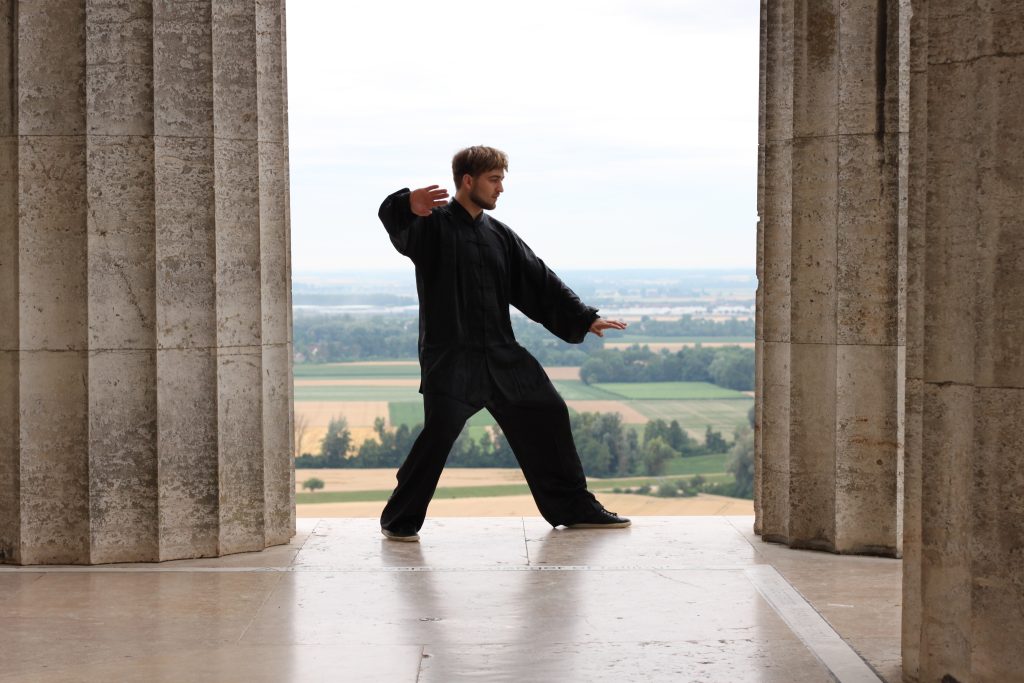
Tai Chi is widely recommended as a low-impact form of exercise for joint health. Its slow, controlled movements gently mobilize the joints, improve range of motion and reduce stiffness without placing excessive strain on the body.
Research suggests that Tai Chi can reduce pain and improve physical function in people with osteoarthritis and other chronic joint conditions. This has led medical organizations to recommend Tai Chi as a supportive practice for long-term joint health.
Sources:
• PubMed – Tai Chi reduces pain & improves physical function in knee osteoarthritis (19877092)
• Harvard Health Publishing – Tai chi helps ease chronic pain (Harvard Health)
Stress Reduction, Mental Health & Sleep Quality
Tai Chi combines movement, breathing and focused attention, helping to regulate the nervous system. This makes it particularly effective for reducing stress and supporting mental well-being.
Studies indicate that Tai Chi practice can reduce symptoms of anxiety and depression, improve sleep quality and promote a calmer mental state. Many participants report feeling more relaxed, focused and emotionally balanced after regular practice.
Cognitive Health & Focus
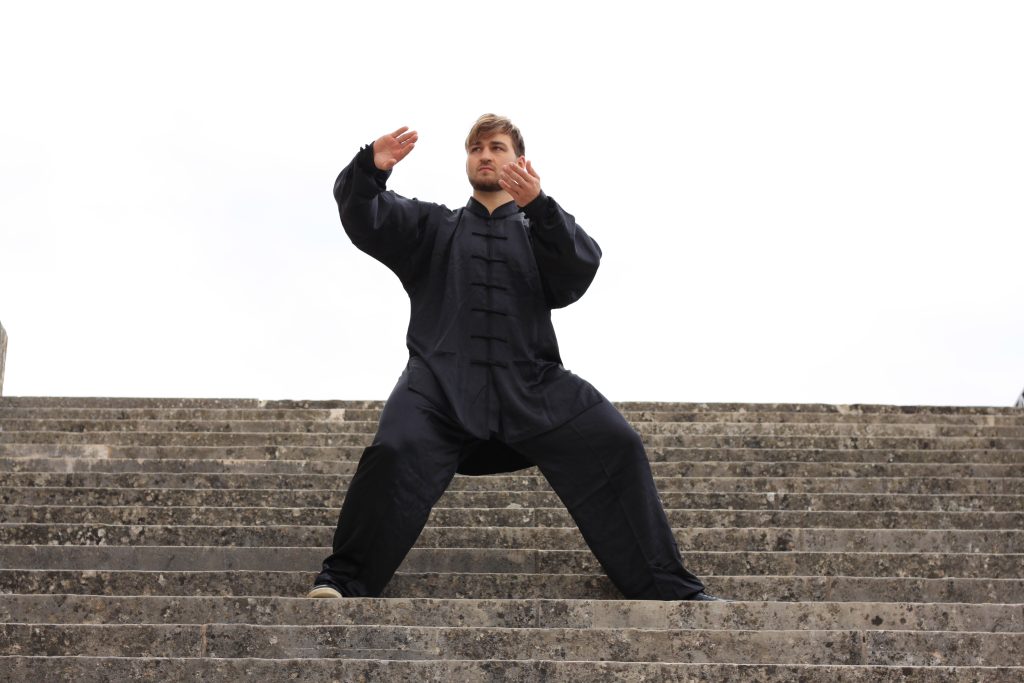
Practicing Tai Chi involves learning movement sequences, coordinating breath and maintaining attention. This combination stimulates cognitive processes such as memory, focus and spatial awareness.
Scientific studies suggest that Tai Chi may support cognitive function and help maintain mental sharpness, especially as part of a healthy aging process.
Source:
• PubMed – Tai Chi Chuan shows potential to enhance cognitive function in older adults (24383523)
Chen Style Tai Chi – A Deeper Physical Stimulus
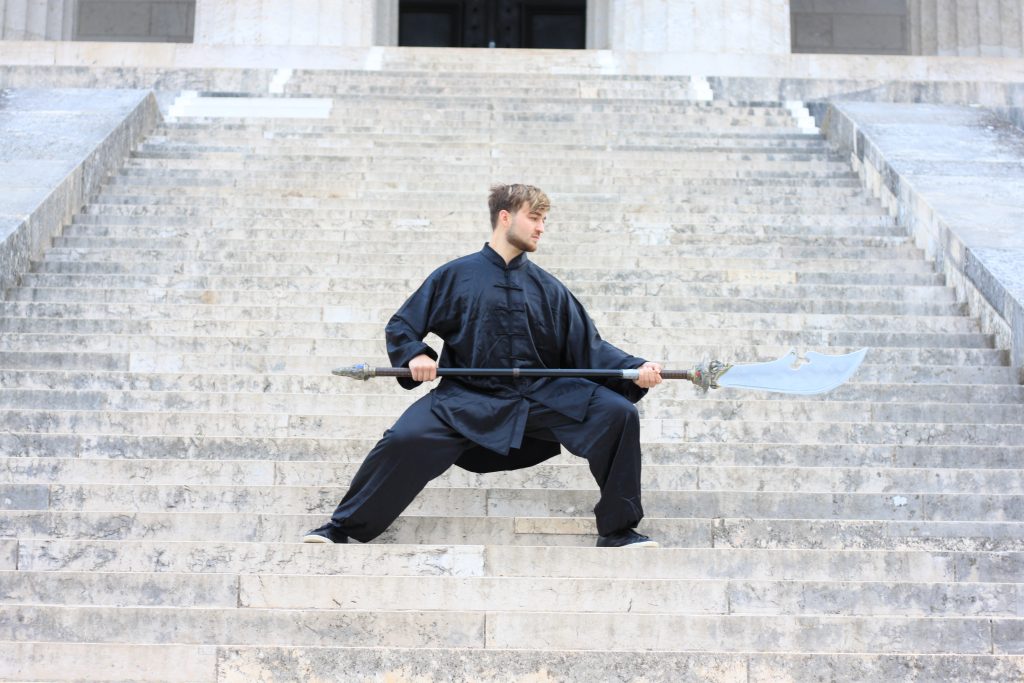
Chen Style Tai Chi, the original form of Tai Chi, includes a wider range of movement dynamics, such as changes in speed, spiraling motions and occasional explosive actions.
While most research examines Tai Chi in general, Chen Style may offer additional benefits in terms of strength, coordination and cardiovascular stimulation due to its more physically demanding nature. At the same time, it retains the core principles of relaxation, structure and awareness that define Tai Chi as a health practice.
Tai Chi as Support for Specific Health Conditions:
Tai Chi has been practiced for a long time as a supportive approach for various health conditions — not as a cure, but as a complementary therapy that works alongside conventional medical treatment.
In Germany, this has led statutory health insurance providers to partially reimburse Tai Chi courses. Unfortunately, this recognition does not yet exist in Australia.
Below, we provide a short overview of conditions for which Tai Chi has been shown to offer measurable supportive benefits, along with a brief explanation of how the practice can help in each case.
Tai Chi for Osteoarthritis
Research shows that Tai Chi can significantly reduce pain, stiffness and functional limitations in people with osteoarthritis, especially of the knee. Regular practice has been associated with improved joint mobility and overall quality of life.
How?
Slow, controlled movements gently load the joints, strengthen surrounding muscles and improve proprioception, while minimizing mechanical stress and inflammation.
Tai Chi for Osteoporosis
Tai Chi may help slow bone loss and reduce fracture risk by improving balance and postural control. Studies in postmenopausal women show small but meaningful improvements in bone density and a reduced risk of falls.
How?
Weight-bearing stances, gentle leg loading and continuous balance challenges stimulate bone metabolism while enhancing neuromuscular coordination.
Tai Chi for High Blood Pressure (Hypertension)
Regular Tai Chi practice has been shown to moderately reduce both systolic and diastolic blood pressure in people with hypertension. Meta-analyses report clinically relevant reductions comparable to other lifestyle interventions.
How?
Tai Chi combines low-intensity aerobic movement with breathing regulation and stress reduction, supporting vascular relaxation and autonomic balance.
Tai Chi for Coronary Heart Disease and Cardiac Rehabilitation
Tai Chi can improve exercise tolerance, emotional well-being and quality of life in people with stable coronary heart disease. Outcomes are comparable to conventional low-intensity cardiac rehabilitation programs.
How?
Gentle continuous movement improves circulation and aerobic capacity without overloading the cardiovascular system, while reducing anxiety and stress.
Sources:
PubMed – Tai Chi and cardiac rehabilitation (21696487)
Tai Chi for Chronic Obstructive Pulmonary Disease (COPD)
Strong evidence shows that Tai Chi improves walking distance, reduces breathlessness and enhances quality of life in people with COPD. Results are comparable to traditional pulmonary rehabilitation.
How?
Slow movements synchronized with breathing improve respiratory efficiency, posture and muscular endurance, supporting oxygen utilization and relaxation.
Tai Chi for Stroke Rehabilitation
Tai Chi may support recovery after stroke by improving balance, gait stability and confidence in movement. Systematic reviews report consistent benefits when used alongside standard rehabilitation.
How?
Controlled weight shifts and coordinated movements retrain balance reactions and neuromuscular control in a safe, adaptable way.
Source:
PubMed – Tai Chi and stroke rehabilitation (34065178)
Tai Chi for Chronic Low Back Pain
Studies indicate that Tai Chi can significantly reduce pain intensity and improve functional capacity in people with chronic low back pain. Effects are comparable to other evidence-based exercise therapies.
How?
Continuous spinal mobility, improved postural awareness and gentle strengthening reduce muscular tension and enhance movement efficiency.
Tai Chi for Fibromyalgia
Tai Chi has been shown to reduce pain, fatigue and sleep disturbances in people with fibromyalgia. Improvements in physical and mental well-being have been reported in randomized controlled trials.
How?
The combination of gentle movement, relaxation and mindful attention helps regulate pain perception and reduce central nervous system sensitization.
Tai Chi for Cancer-Related Fatigue and Quality of Life
Tai Chi may help reduce fatigue, improve sleep and enhance quality of life in people undergoing or recovering from cancer treatment. Evidence supports its use as a supportive, non-invasive therapy.
How?
Low-impact movement improves circulation and energy regulation while reducing stress and supporting emotional resilience.
Source:
PubMed – Tai Chi and cancer-related fatigue (26383108)
Tai Chi for Parkinson’s Disease
High-quality studies show that Tai Chi improves balance, gait stability and reduces fall risk in people with Parkinson’s disease. It is considered one of the most effective movement therapies for balance training in this population.
How?
Slow, deliberate weight shifts and rotational movements enhance postural control and motor coordination.
Tai Chi for Multiple Sclerosis (MS)
Preliminary evidence suggests Tai Chi may improve balance, mobility and quality of life in people with MS. While research is still emerging, results are promising.
How?
Gentle, adaptable movements support neuromuscular coordination without excessive fatigue or overheating.
Tai Chi for Mild Cognitive Impairment (MCI)
Tai Chi has been shown to improve memory, attention and executive function in older adults with mild cognitive impairment. Meta-analyses report measurable cognitive benefits.
How?
Coordinated movement patterns stimulate both physical and cognitive engagement, supporting brain plasticity.
Source:
PubMed – Tai Chi and mild cognitive impairment (33043709)
Tai Chi for Dementia
Tai Chi may offer modest improvements in cognitive function and emotional well-being in people with mild dementia. It is considered safe and accessible even at advanced age.
How?
Simple, repetitive movements encourage physical activity, social interaction and mental stimulation.
Tai Chi for Depression
Strong evidence shows that Tai Chi significantly reduces depressive symptoms across different age groups. Effects are comparable to other structured exercise and mind-body interventions.
How?
Movement, breathing and social interaction combine to regulate mood-related neurochemical pathways and reduce stress.
Tai Chi for Anxiety Disorders
Tai Chi has been shown to reduce anxiety and stress levels, particularly in older adults. Meta-analyses report moderate to large effect sizes.
How?
Slow rhythmic movement and controlled breathing calm the nervous system and improve emotional regulation.
Tai Chi for Sleep Disorders (Insomnia)
Tai Chi can significantly improve sleep quality, sleep duration and sleep efficiency. In some studies, effects were comparable to cognitive behavioral therapy for insomnia.
How?
Regular practice promotes relaxation, circadian regulation and reduced physiological arousal.